



Another communication for another development
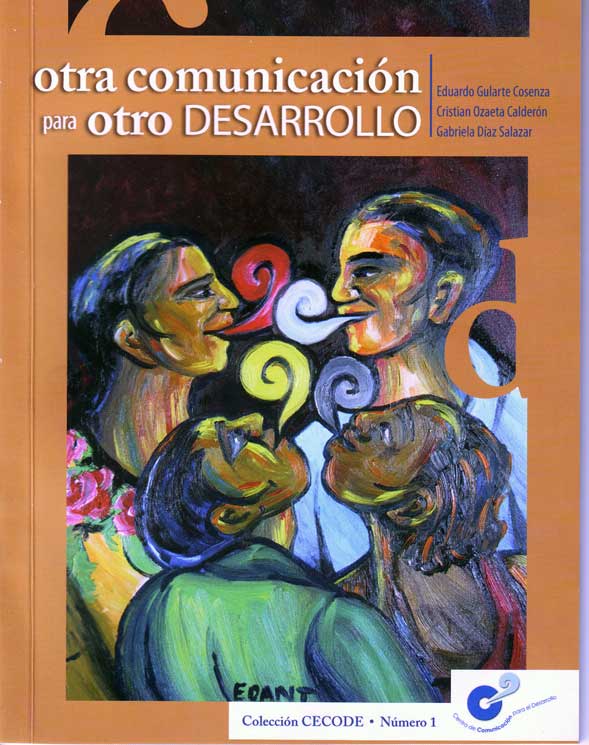 “Otra comunicación para otro desarrollo” by Eduardo Gularte Cosenza, Cristian Ozaeta Calderón and Gabriela Díaz Salazar is a new resource on communication for development. It is not a coincidence that this publication has the same title as the book Rosa Maria Alfaro wrote on the experience of Calandria, the Peruvian communication collective, since the fact of reflecting on “another” communication inevitably leads to rethinking “another” development, given that the one we know has failed to deliver.
The launching of the book took place at Sophos bookstore, in Guatemala City, on January 23rd, and was presented by Ileana Alamilla Director of CERIGUA and Alfonso Gumucio Dagron, Director of the Communication for Social Change Consortium. CECODE is a specialised NGO and not an academic institution, however this publication adds to those that can be used in studies on communication for development and social change, which are part of the University Network in various regions.

Eduardo Gularte
Communication for development is not a new topic but has been covering larger spaces of debate in recent years. The culmination was the World Congress of Communication for Development (WCCD) organised by the World Bank, the Communication Initiative and FAO late in October of 2006, in Rome. The outcome of that event, “The Rome Consensus“, is in spite of it concision a very important call to all development organisations to understand this “other” communication.
Five aspects are of relevance in CECODE’s publication: 1) communication should not be only understood as institutional visibility and public relations; 2) communication is a horizontal and inclusive process; 3) alternative communication stands against the mainstream which is plagued with commercial and political interests; 4) communication that restores the real meaning of the terms we use; and 5) communication that rejects the mercantilism of mass media.
The “other” development that Gularte points to in his analysis is human development as defined by the United Nations: “a process that widens individual and collective liberties and offers a range of alternatives so people can build upon, select and reach full and creative lives, according to their capacities and values…” In other words, another development is the one that guarantees full respect of all human rights.
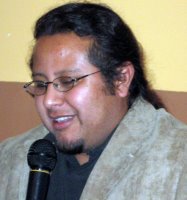
Cristian Ozaeta
Hence the need of communication as a human right that allows communities to have their own voice and increasingly participate in making decisions on the issues that affect their lives and development. Sustainability of development programmes and projects is directly related to community participation. And the rewards are not only for those we sometimes call “beneficiaries” but to development agencies that would like to see their programmes sustained, and impact on the long run.
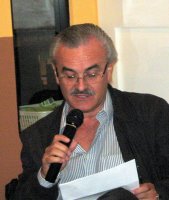
Alfonso Gumucio
This book contributes in a didactic way towards a better knowledge of communication for development in the context of Guatemala; it is a useful and needed text for those studying communication, the one that is not limited to journalism or public relations. CECODE, the organisation founded two years ago by the authors of this publication, revisits the international debate on communication for development and takes it to a country that has been generally much closed on itself on these issues.
For more information on the book, contact Eduardo Gularte.